Hyundai Bets $26B It Can Build Robots, Not Just Cars
Chairman Chung Eui-sun frames robotics and physical AI as central to Hyundai's next phase, with a $26B US investment plan, Boston Dynamics humanoids on the factory floor by 2028, and hydrogen tied to AI's growing energy footprint.
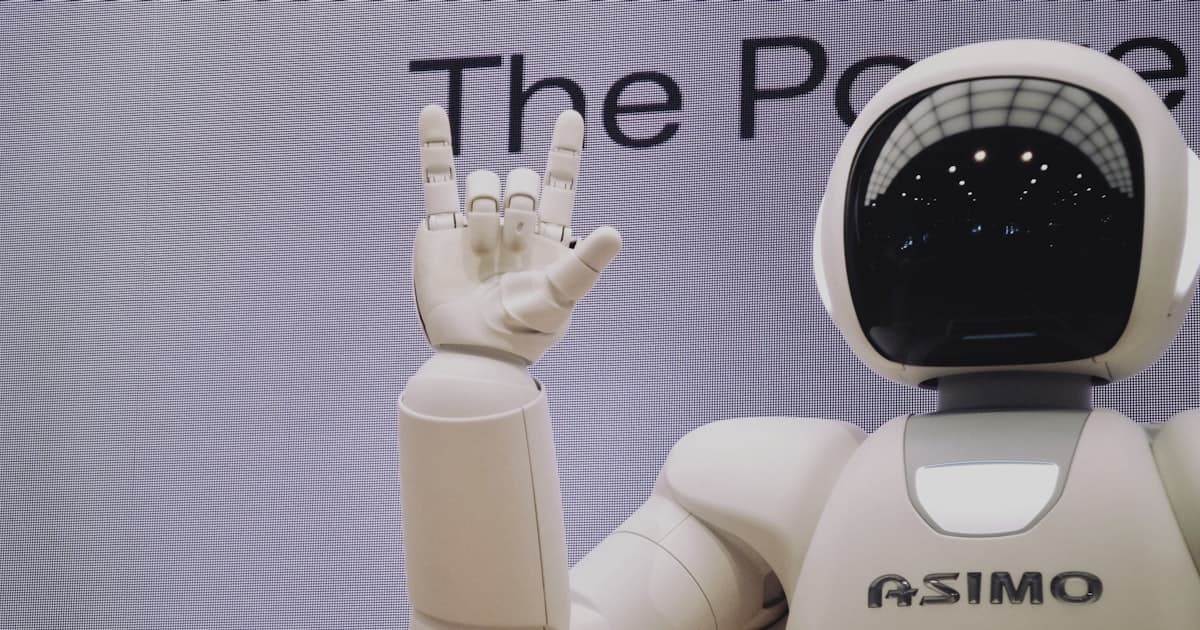
Hyundai Motor Group is starting to look less like a carmaker and more like a company building machines that act in the real world. The shift centres on physical AI — putting AI inside robots and systems that move and respond in physical space — with the bulk of current effort aimed squarely at factory floors and industrial settings.
The pivot: physical AI as the next growth engine
In an interview with Semafor, chairman Chung Eui-sun said robotics and AI will play a central role in Hyundai's next phase of growth, pushing the company beyond vehicles and into physical systems. The group plans to invest $26 billion in the US by 2028, according to United Press International — building on roughly $20.5 billion invested over the past 40 years.
A large slice of that spend is tied to robotics and AI-driven systems Hyundai is folding into a single approach. Chung described robotics and physical AI as important to Hyundai's long-term direction, adding that the company is developing robots designed to work with people, not replace them.
From automation to collaboration
Hyundai is building systems where robots and humans share tasks in the same space. That includes humanoid robots from Boston Dynamics, in which Hyundai took a controlling stake in 2021. Machines are being prepared for manufacturing use, with deployment planned around 2028. The company expects to scale production to up to 30,000 units per year by 2030, aiming to upgrade work on the factory floor.
The split is conventional but substantive: robots take on repetitive or physically demanding tasks; humans focus on oversight and coordination. Chung argues this configuration could improve efficiency and product quality as customer expectations shift.
Current deployments stay focused on industrial settings, though Hyundai is exploring other use cases. Logistics and mobility services that combine vehicles with AI systems sit at the top of the list — places where deliveries and shared services could be reshaped.
Manufacturing as the first proving ground
Factories remain the primary place where Hyundai is putting these ideas into practice. The company is already running software-driven manufacturing systems in its US operations, combining data and robotics to manage production.
Physical AI builds on this by adding machines that adjust their actions in response to real-time data. Chung pointed to shifts in regulation and customer demand as forcing the company to rethink how it operates in different regions. Hyundai's response is a mix of global expansion and local production, with AI and robotics helping standardise processes across both.
Energy: hydrogen, AI infrastructure and HTWO
The group continues to invest in hydrogen via its HTWO brand, which spans production, storage and use. Chung pointed to rising demand linked to AI infrastructure and data centres as one reason hydrogen is gaining attention.
He framed hydrogen and electric vehicles as complementary options — different energy choices depending on how systems are used. As AI moves into physical environments, energy starts to function less as background cost and more as a visible operational constraint.
What physical AI means for end users
Most people will not interact with a humanoid robot in the near term. They will, however, feel the second-order effects: products built faster, mobility and infrastructure services that respond more quickly to demand.
For scale: Hyundai sells more than 7 million vehicles each year in over 200 countries, supported by 16 global production facilities, according to the same UPI report. Even modest efficiency gains compound at that volume.
A gradual transition, not a hard turn
Hyundai is still very much a major carmaker, with Hyundai, Kia and Genesis forming the operational base. What's changing is how those vehicles — and the systems around them — are designed and managed.
Physical AI represents a shift from products to systems: AI placed inside the environments where work and daily life happen. The transition is in progress, and many of the systems Hyundai is developing will take years to scale. The end-state Chung is describing is one where machines work with people in the real world, not at a distance from it.
(Photo by @named_aashutosh.)